
Originally launched as Happy Compass, Una began as a general wellbeing app for students, before evolving into a cycle-synced habit-building platform tailored for women. Through continuous user research and data analysis, we identified a new opportunity to focus on women’s health and cycle-based wellbeing, leading to a complete repositioning of the brand and product.
As part of this transformation, I contributed to the product’s full lifecycle development. The opportunity began when I met Una’s CEO at a tech meetup, where we discussed his idea to create a mental wellbeing app for students. I was immediately drawn to the concept, and together we initiated a series of user interviews and discovery sessions to better understand user needs and behaviors.
From early audience research to feature redesigns and value proposition refinement, I ensured that every iteration was grounded in real user insights. This collaborative, research-driven process ultimately laid the foundation for Una’s evolution into a personalised wellbeing companion for women.
The discovery process
During our early user interviews, we discovered that students were unlikely to pay for wellbeing app subscriptions, which led us to reassess our target audience. We decided to expand our research to include working professionals — both men and women.
Through these interviews, we noticed a clear pattern: men were often reluctant to discuss their mental health, claiming to live “stress-free” lives, while women were more open about their challenges, insecurities, and emotional wellbeing.
This insight revealed a strong opportunity — to create a product designed specifically for women, addressing their unique wellbeing needs and fostering a safe space for honest conversation. This was how we identified and validated our new target audience.


Tools used:


I’ll walk you through the entire research process—highlighting:
👍 what has worked well
😰 challenges we’ve faced
🤩 key successes
🤔 learnings
🧐 valuable insights
PROBLEM STATEMENT
Women often have a hard time juggling demanding careers and personal responsibilities, which leads to a decreased prioritisation of their well-being.
As a solution, many have turned to therapies and meditation apps to pursue long-term improvement in well-being but often find them time and financially-consuming, overwhelming, and not suitable for everyone.
Thus, there is an opportunity to identify solutions that are effortless, inexpensive, fun, personalised, and can seamlessly integrate into users' lives, enhancing their well-being throughout the day.
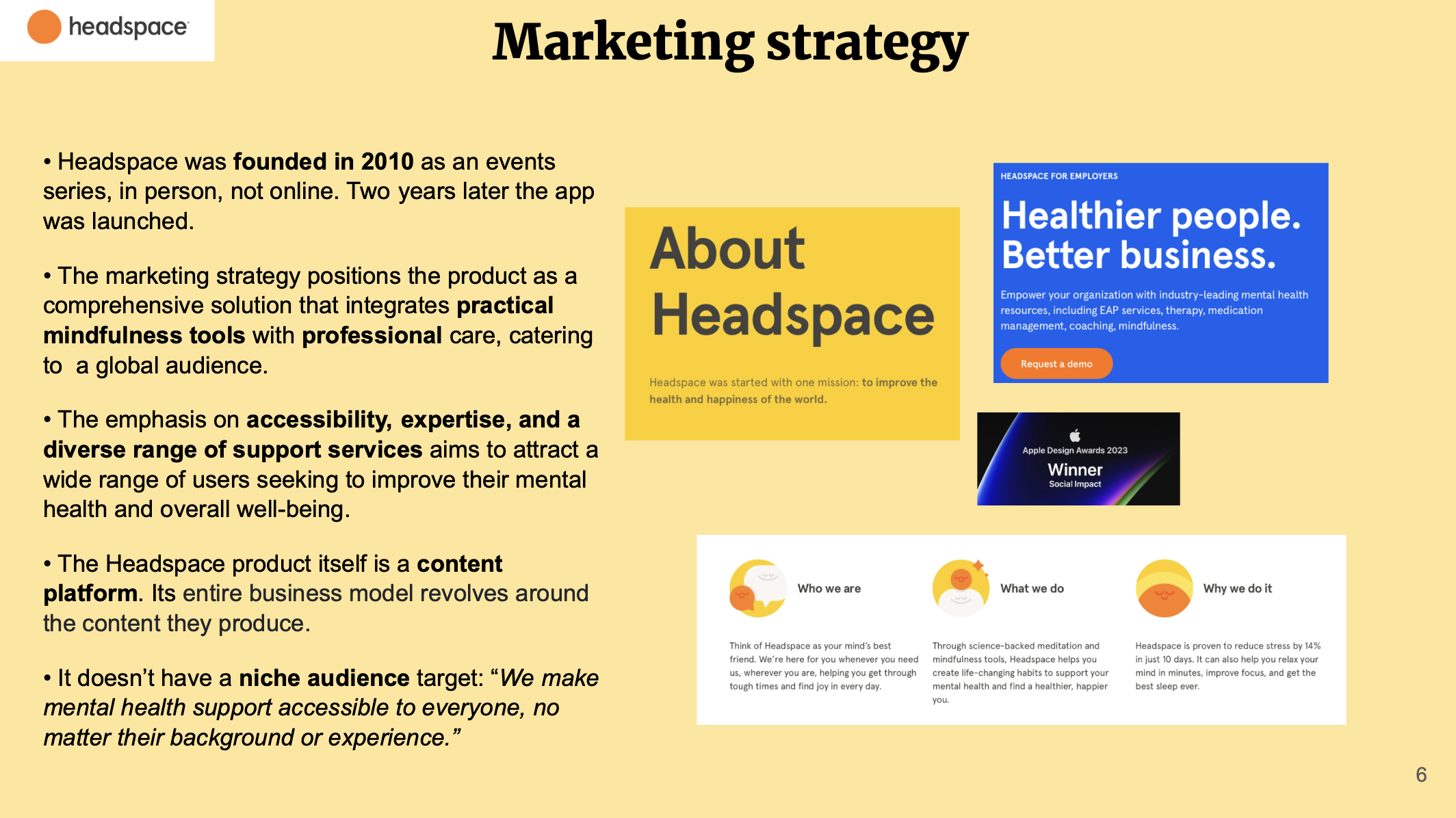
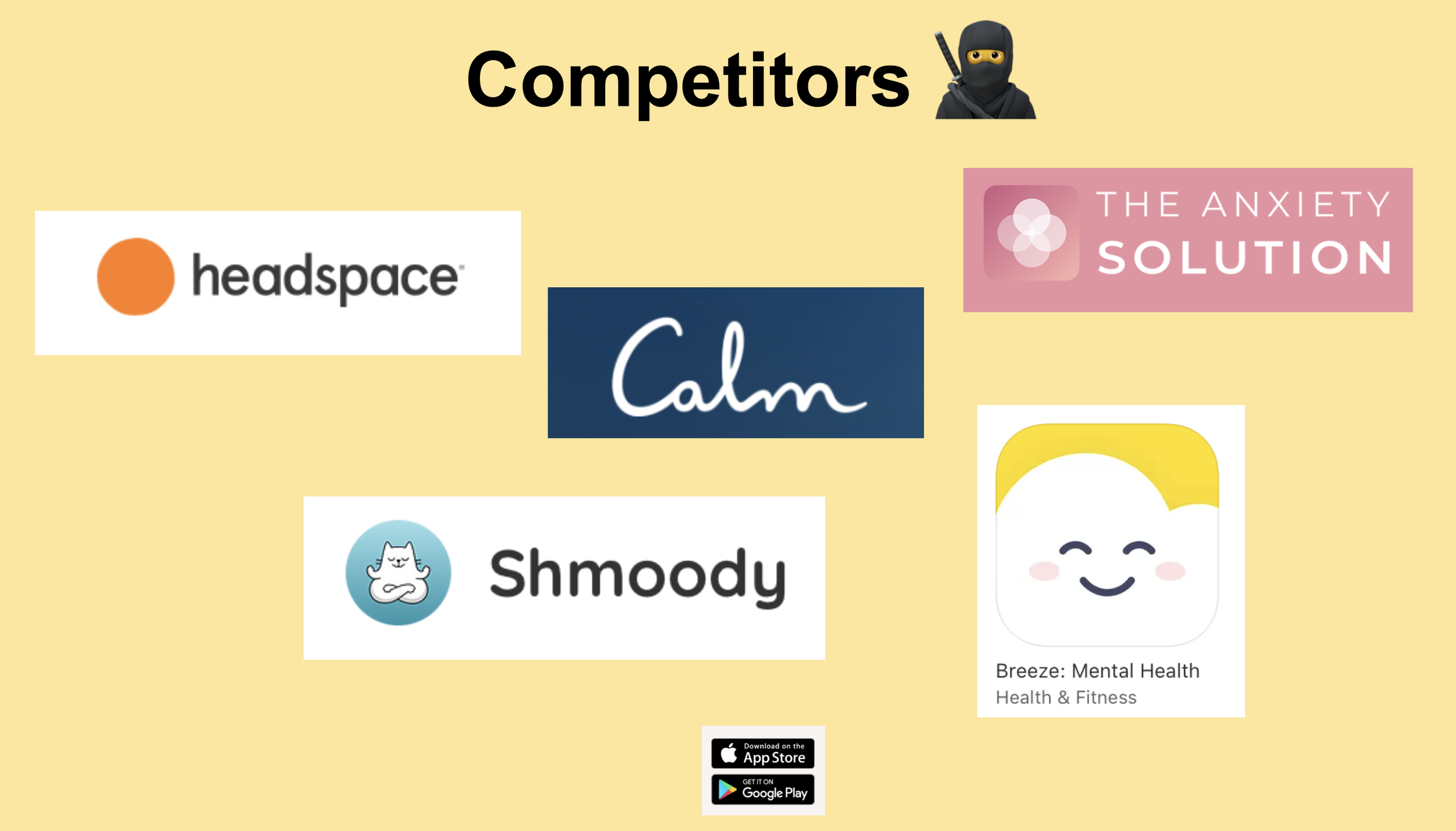

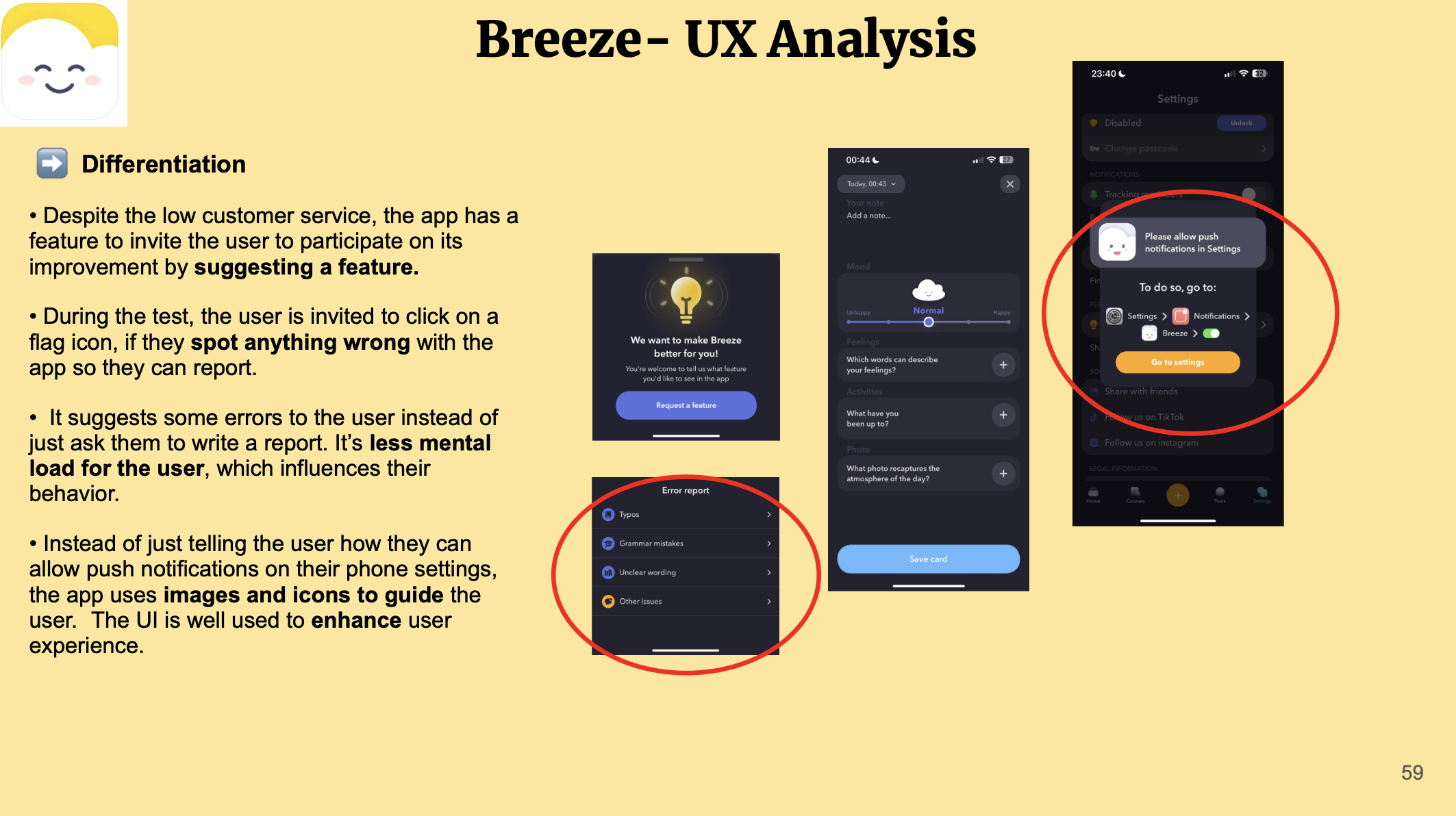
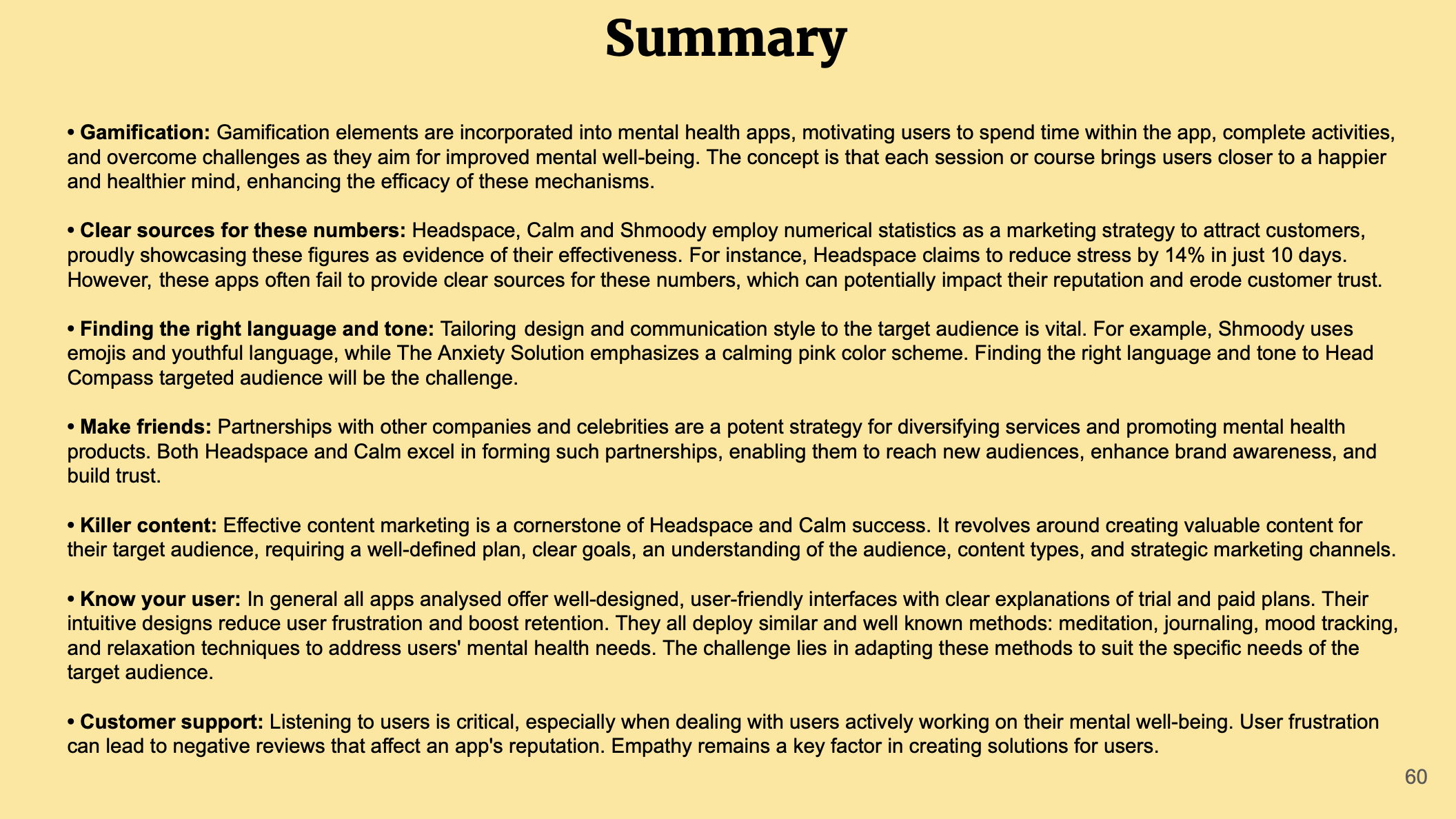
At the start of the research process, the team consisted of just two people: the founder, who has since taken on the role of Product Manager, and myself as the User Researcher. The initial concept was to develop a mental well-being app specifically targeted at professionals. To support this vision, I conducted a detailed COMPETITIVE ANALYSIS of five key competitors within the mental health industry.
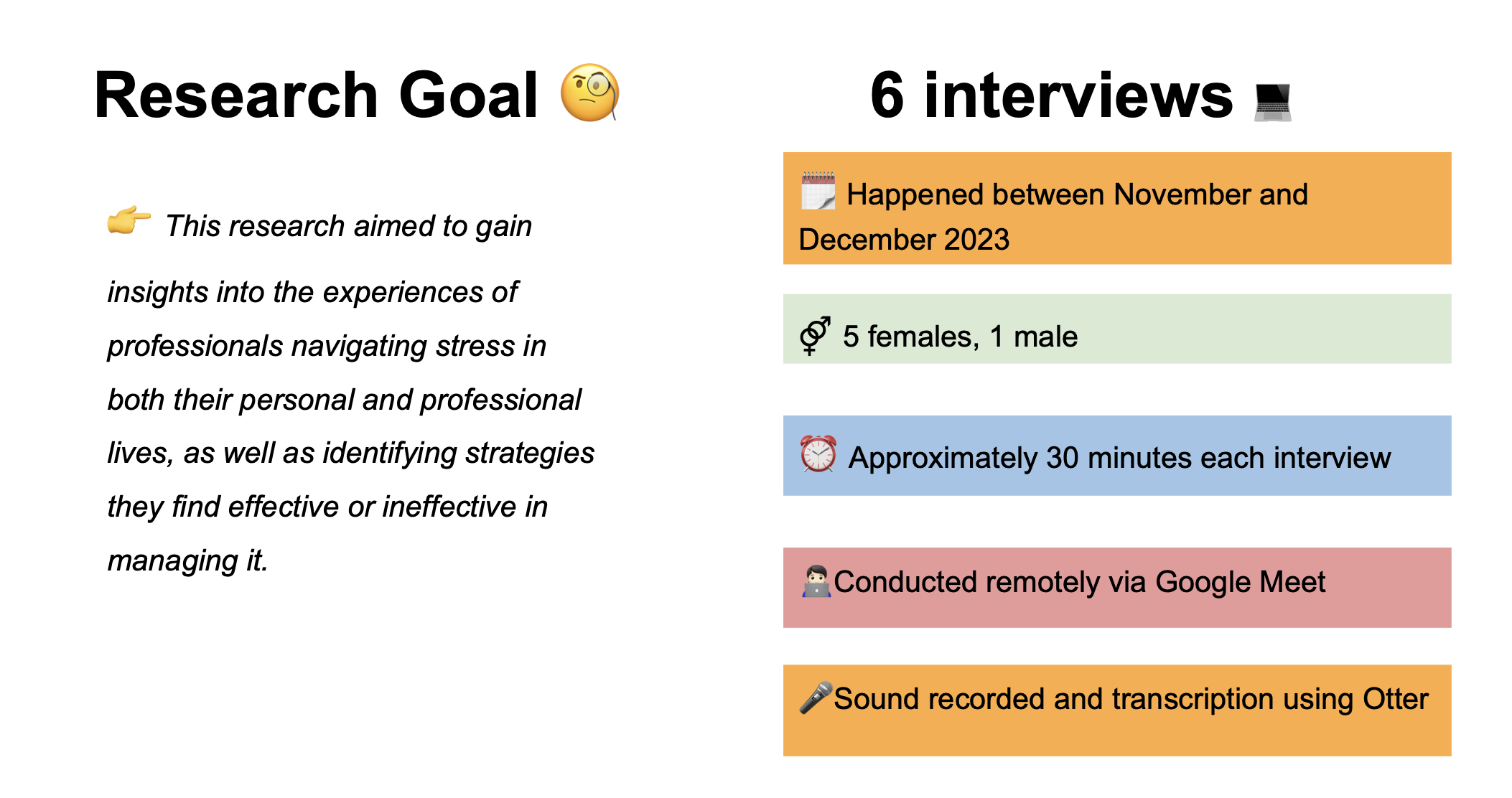
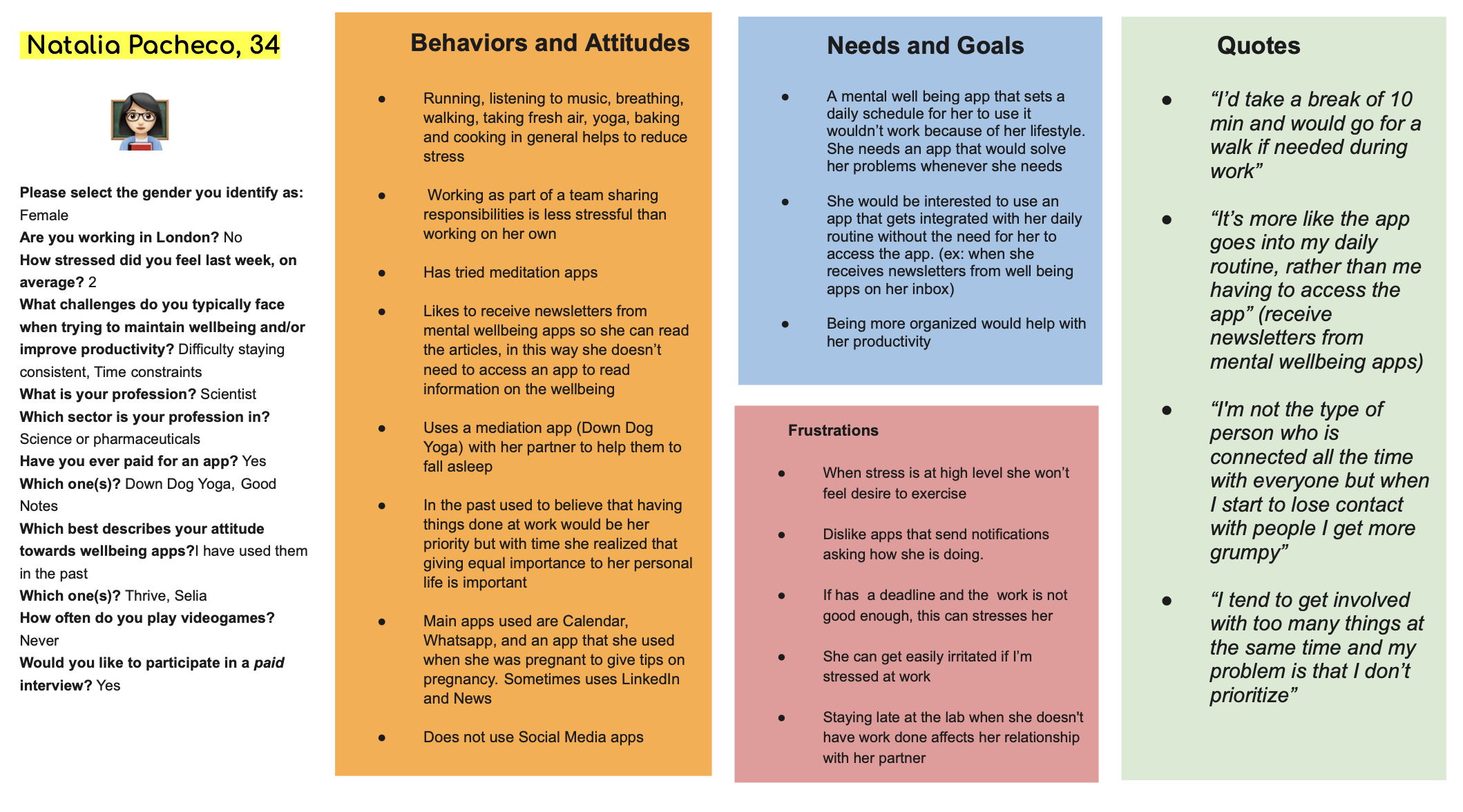
The interviewes were remotely and we spoke with male and female professionals ranging in age from 20 to 38, with the Product Manager taking notes. After completing 10 interviews, I analysed the data and compiled a RESEARCH ANALYSIS.
We noticed a difference in openness between male and female participants. While the male participants found it challenging to express their emotions or speak about their mental well-being, the female participants were much more comfortable in sharing their thoughts and feelings.
This insight led us to reconsider our initial target audience, and we began to explore the possibility of focusing on women as our niche audience, recognising that they seemed more willing to engage with a mental well-being app that provides tailored support.
We’ve now identified our target audience: women aged 25 to 45 who are focused on maximizing their well-being, so it was time to align the next stages of the research process with this demographic.

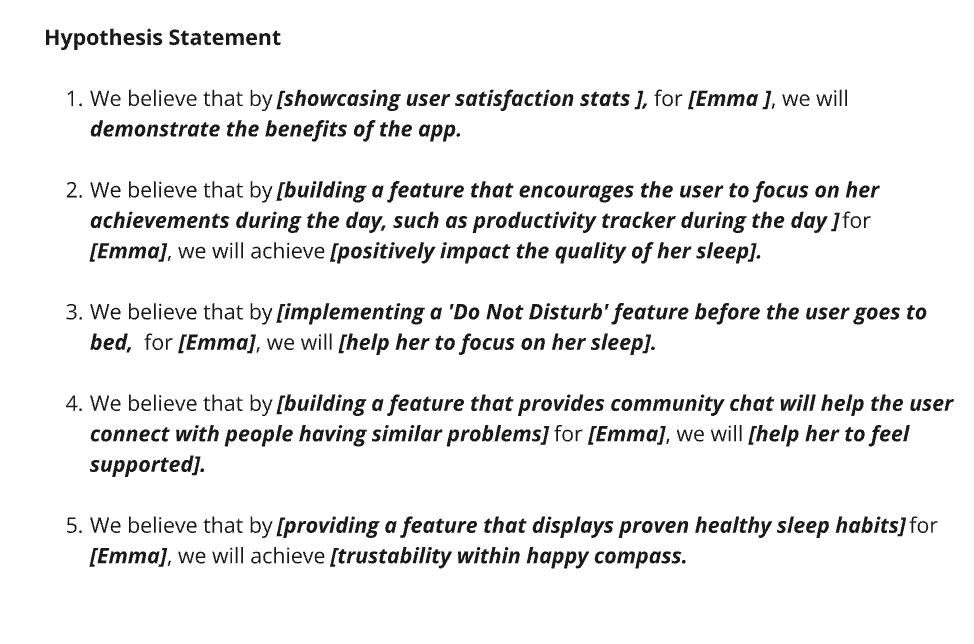
Even though we knew that the first round of interviews included participants beyond our new target audience (women), we still believed the data was valuable. We decided to use it as a foundation for conducting a HYPOTHESIS STATEMENT workshop with the entire team. This allowed us to align on our assumptions and refine our focus for future research and product development.

I conducted the HYPOTHESIS STATEMENT workshop and great ideas came up. However, we were aware that these ideas might not fully address our needs since they weren’t based on the specific data we were seeking. Consequently, we decided to restart the process, focusing exclusively on female participants.
In the meantime, our team had expanded from 2 people - the Product Manager and myself - to nearly 15, members spread primarily across the UK and the USA.

I used the insights from the Research Analysis to create an AFFINITY MAPPING and presented it to the new international team.
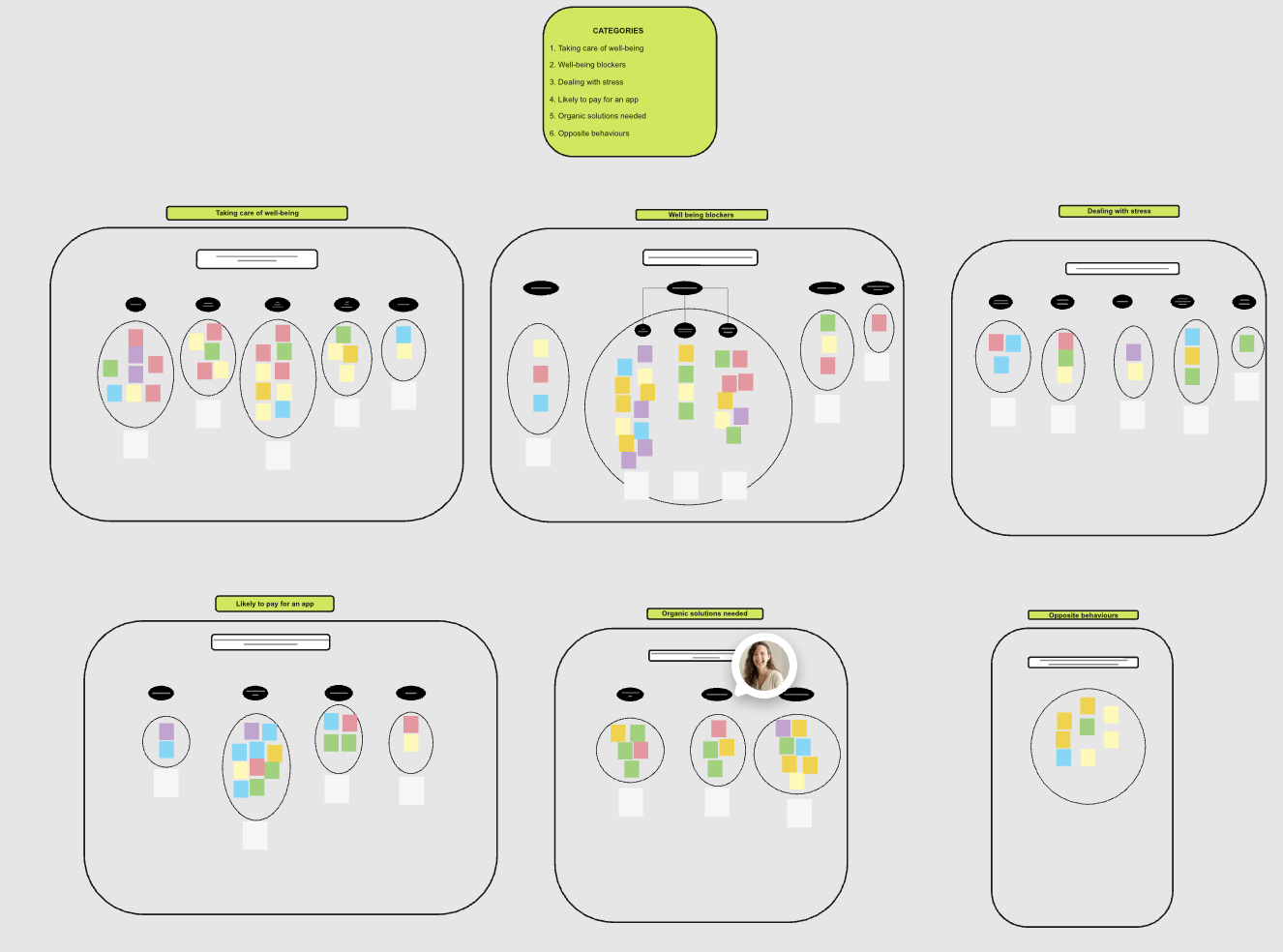
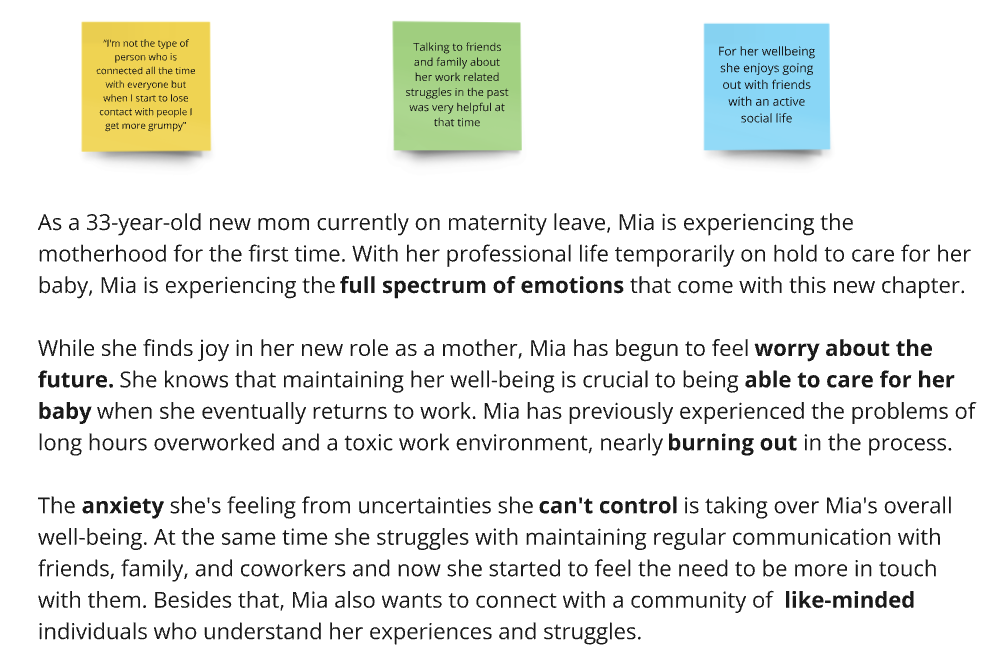
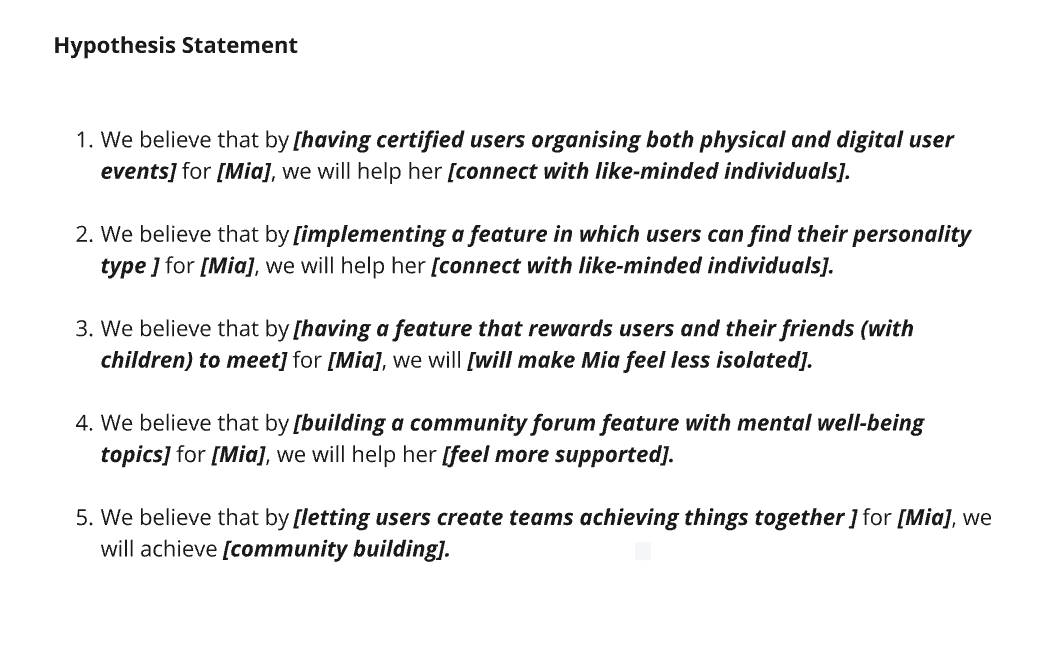
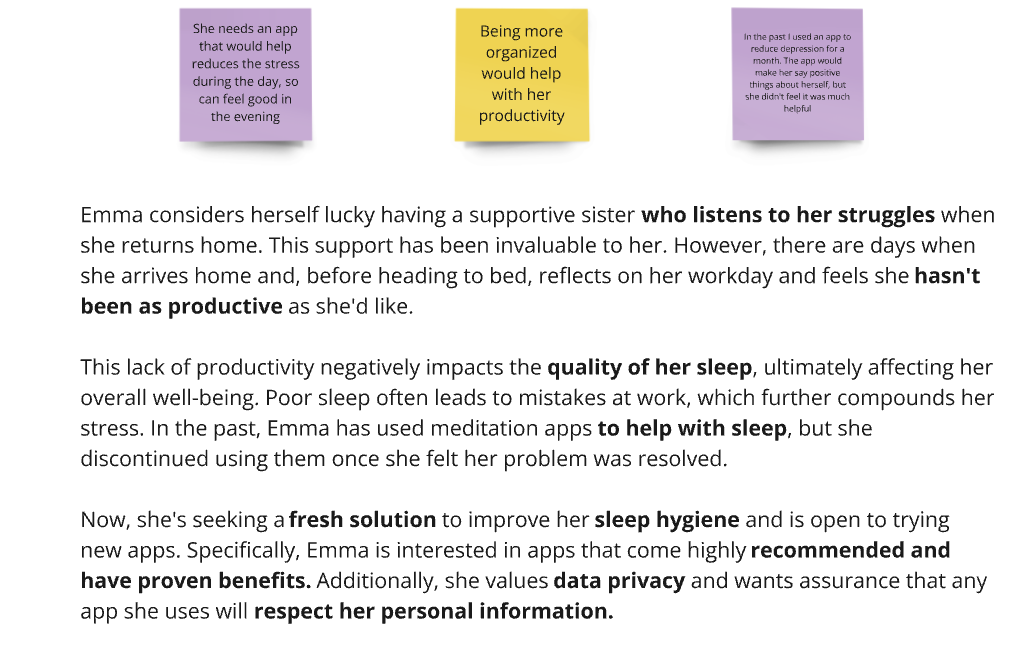
We needed to revisit the research process, this time focusing only on interviewing women. To start, we implemented a SURVEY to collect quantitative data, which would help guide our next interviews.
At this stage our UX Research team, consisted of five members. Using Miro, we collaboratively made all decisions regarding the SURVEY. Aiming to explore women’s relationships with mental wellbeing and fitness apps, including their usage frequency, preferred contexts, payment habits, and overall engagement.
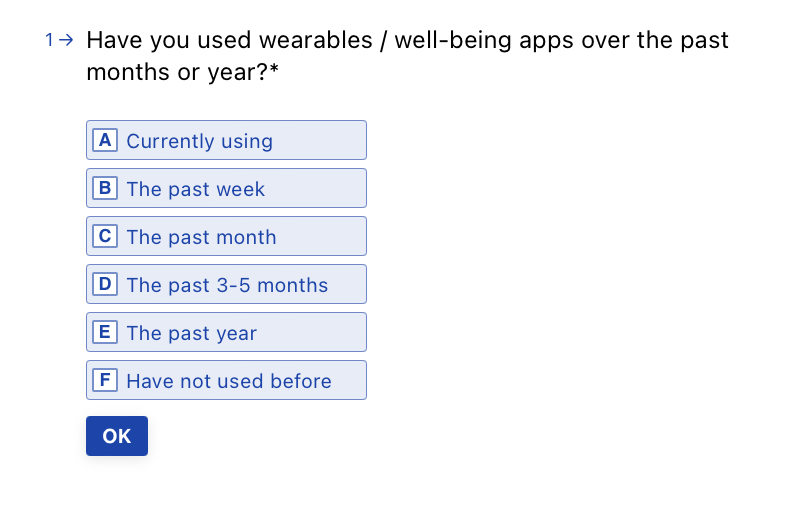
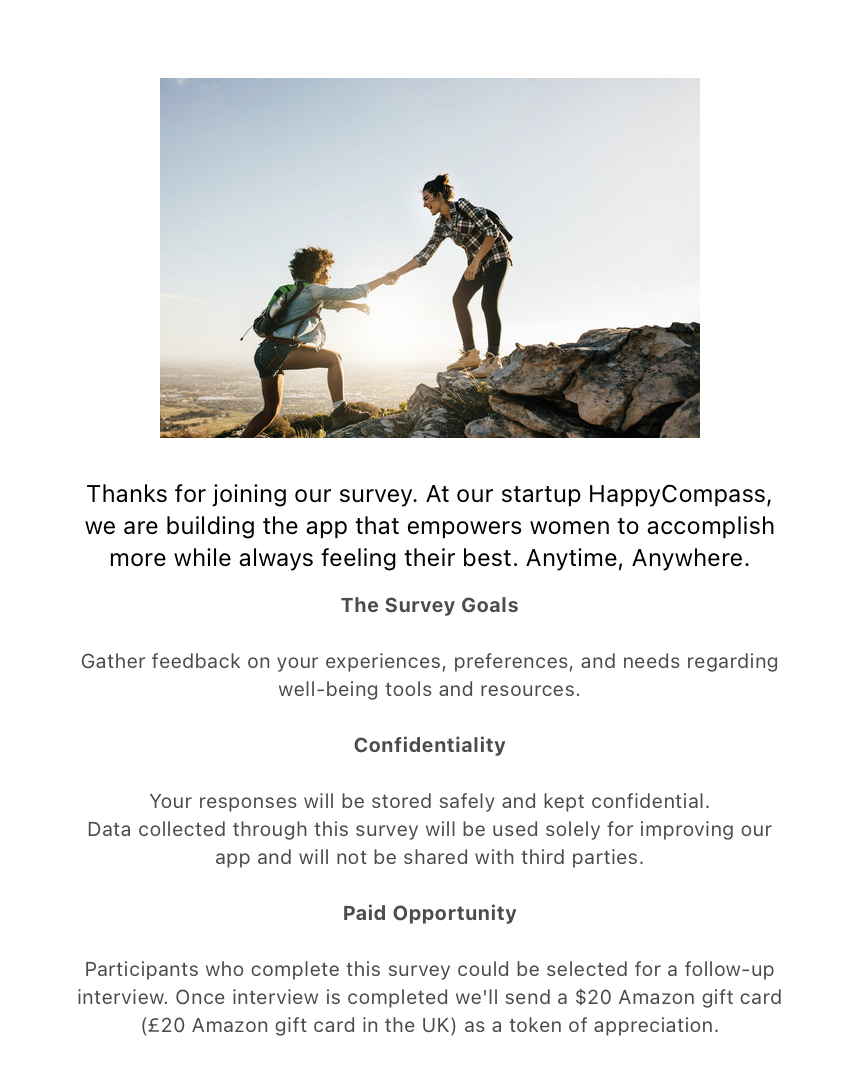
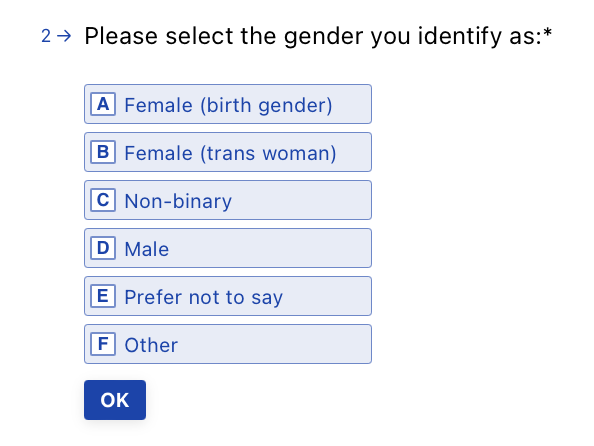
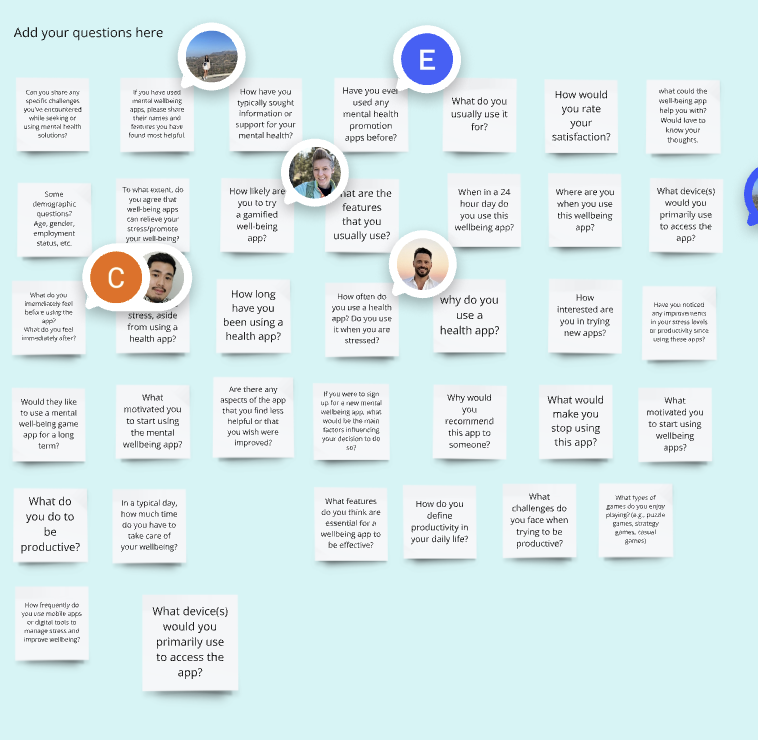
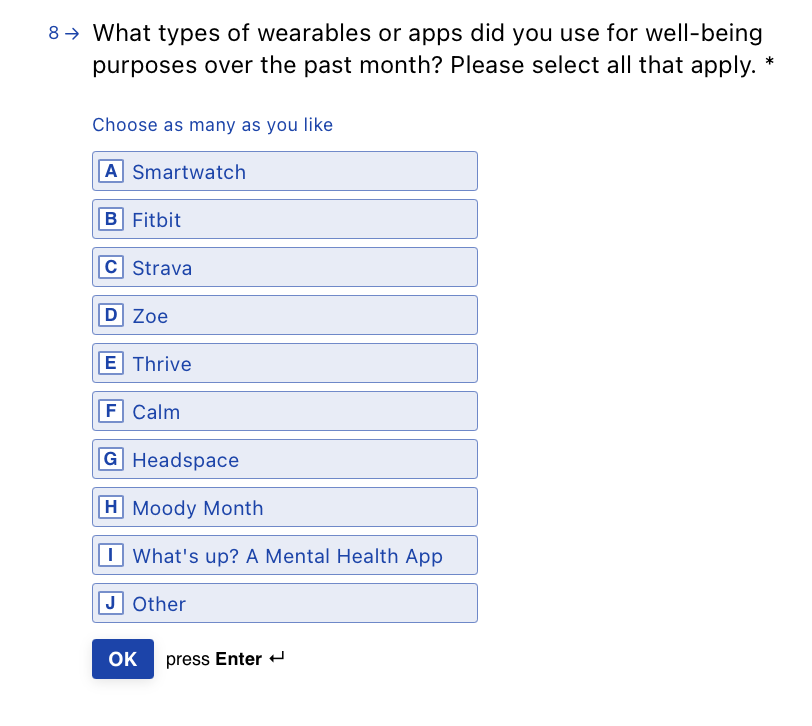
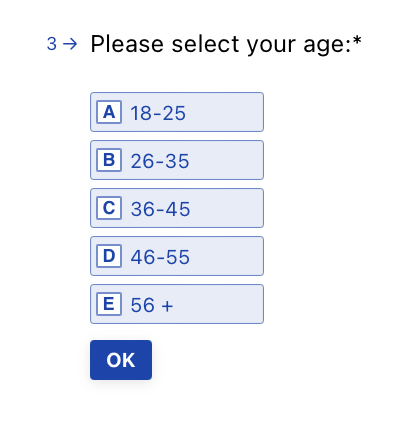
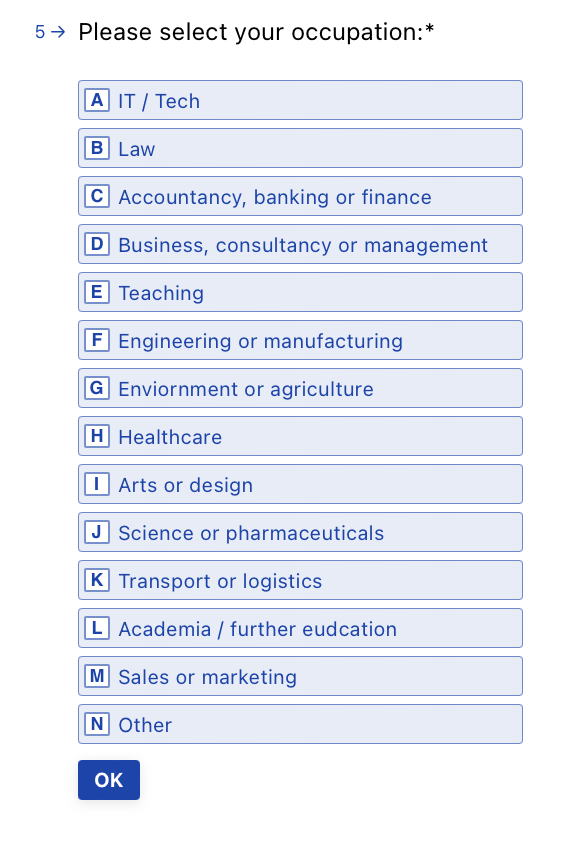
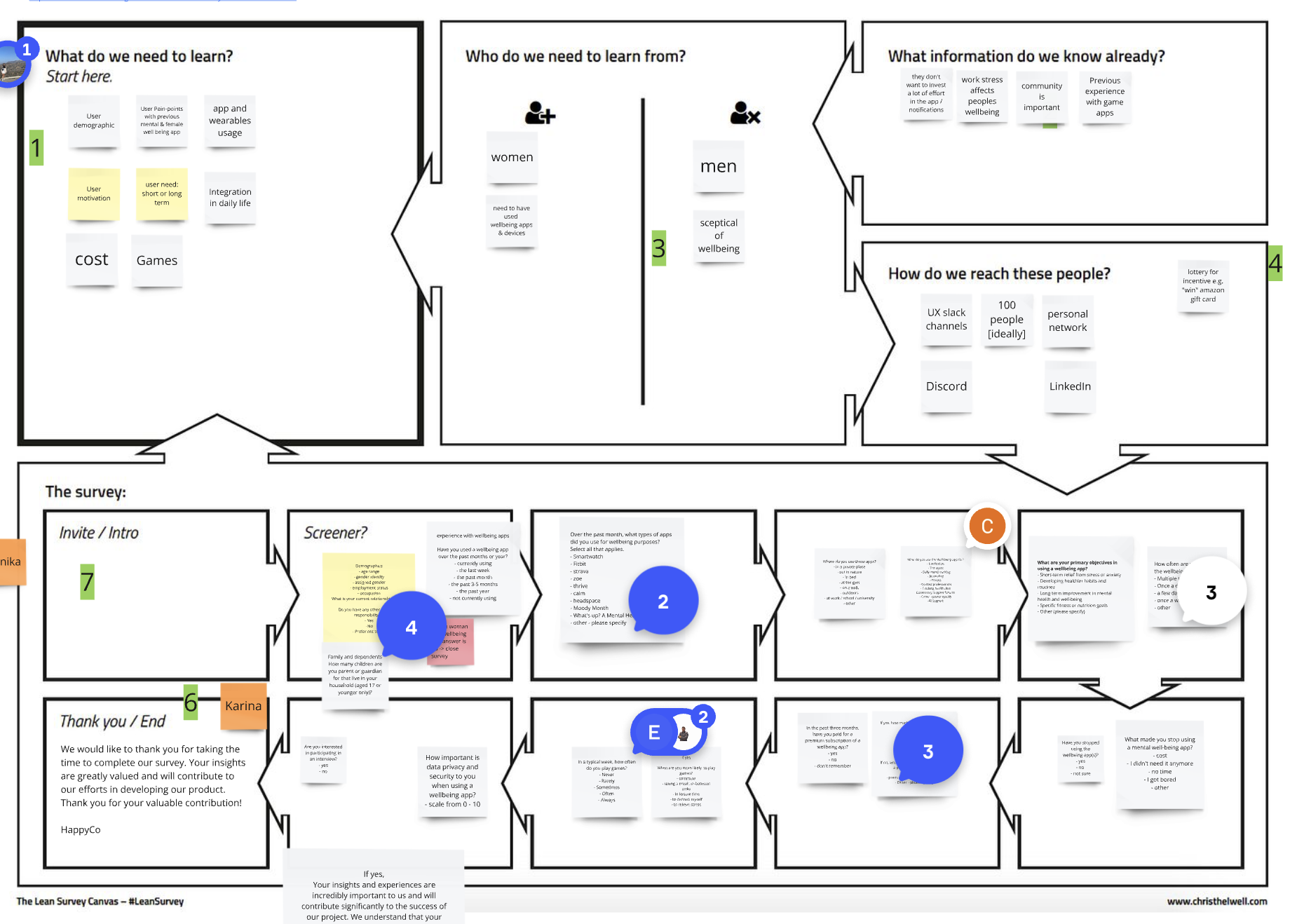
We used Typeform to create the SURVEY and it was available for two weeks and received responses from 140 women and non-binary individuals. The results led to numerous questions, such as why users tend to use multiple apps. In response, our team outlined key objectives for user interviews and crafted a detailed interview script for the next phase of research.
😁
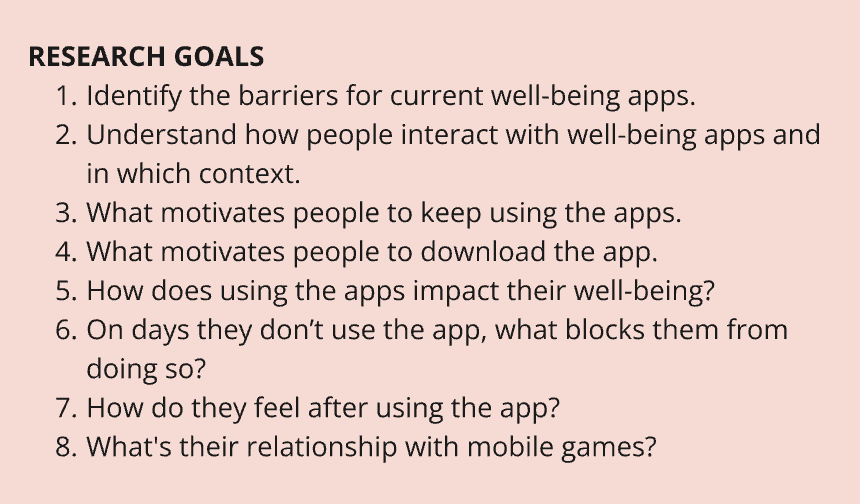
Armed with the INTERVIEW SCRIPT and research goals, we began reaching out to users who fit our desired profile based on their survey responses.
I set up Calendly calendars for participants from the UK and the USA to schedule their interviews.
We managed to secure bookings with five participants for this round of interviews, but unfortunately, something went wrong.
😩
After conducting a few interviews, I realised that some participants were not providing genuine responses and were only interested in the Amazon vouchers we offered.
Since the only thing worse than no data is bad data, we decided to cancel all the interviews scheduled for that day. This was incredibly disappointing.
🤔
Although it was a setback, we needed to act quickly.
I proposed that the Happy Compass team members personally reach out to a few contacts on LinkedIn asking to complete the survey, instead of sending the survey link no random channels and communities.
In this way we had more control of who the participants were.
We aimed to select individuals we knew but who weren’t too close to us, in order to minimize bias.
🤩
The approach proved successful, and after two weeks, we gathered responses from around 50 genuine participants.
We selected five individuals from this pool—three from the UK and two from the USA—for interviews.
I conducted the UK interviews, while a colleague in Chicago handled the US interviews.
Each interview was recorded and lasted between 30 to 45 minutes, conducted via Zoom.
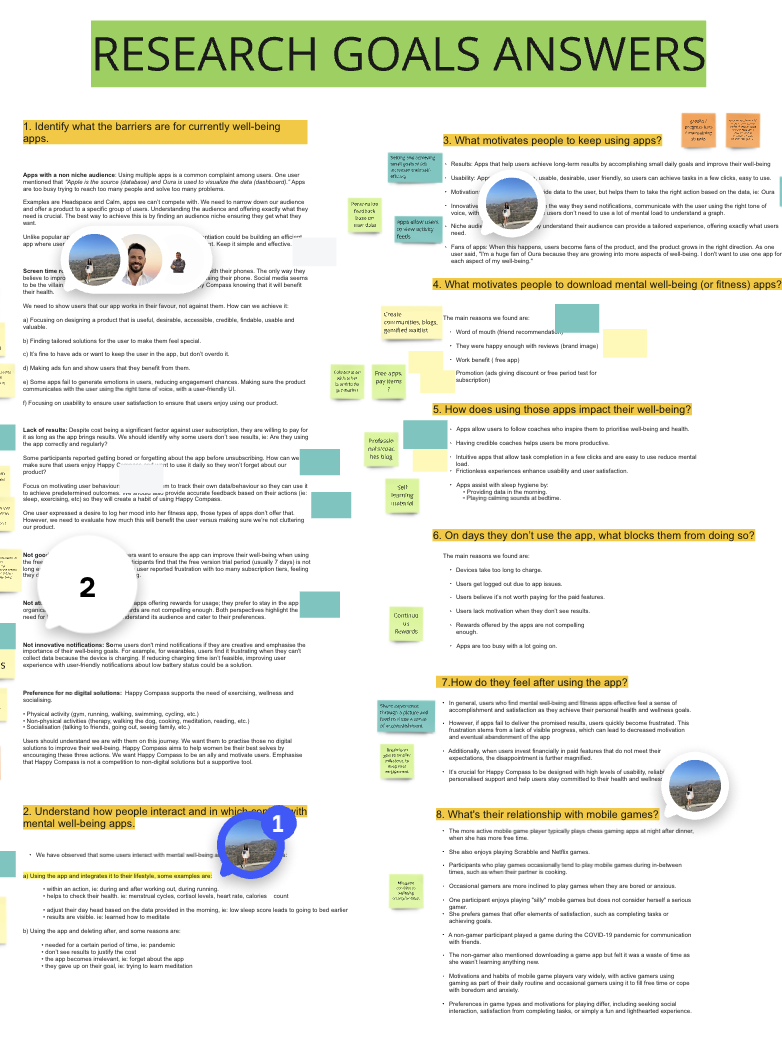
With valuable data now in hand, it was time to analyse it using appropriate methodologies to uncover ANSWERS to our RESEARCH GOALS.

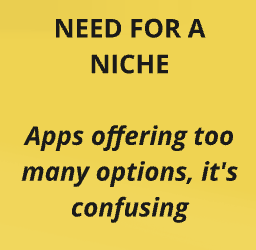
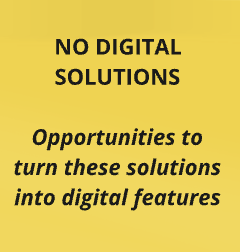
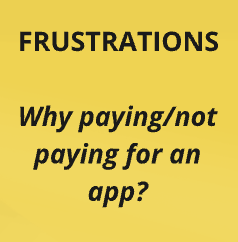


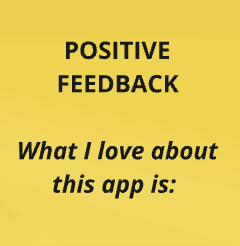
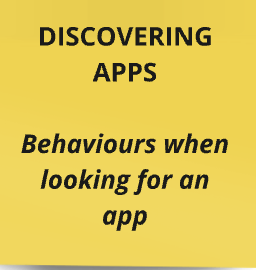
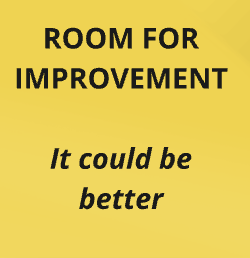

Based on the key insights from the Affinity Map, I was able to answer the questions outlined in the RESEARCH GOALS.
After completing and recording the five interviews with genuine participants, I reviewed the videos and consolidated the data. I then developed an AFFINITY MAP to analyse common pain points, patterns, and behaviors.
In the Affinity Map, I organised the findings—common pain points, patterns, and behaviors—into clusters and sub-clusters. This structured approach led me to create a list of important KEY INSIGHTS.
Conclusion
The evolution of the app concept since our initial development has been substantial, and through this journey, one of the most significant insights I've gained is that the research process is anything but linear and with some unexpected challenges.
As the team navigates through the research and development phases, they must be prepared for the possibility of surprises that may require us to step back and reassess our approach. This is especially true when working within the constraints of a limited or nonexistent budget.
In such scenarios, it's crucial to maintain flexibility and adaptability. We need to anticipate potential setbacks and be ready to make swift, well-informed decisions to address them.
Understanding that the research process is iterative rather than a straightforward path helps me to approach my work with a more resilient mindset.